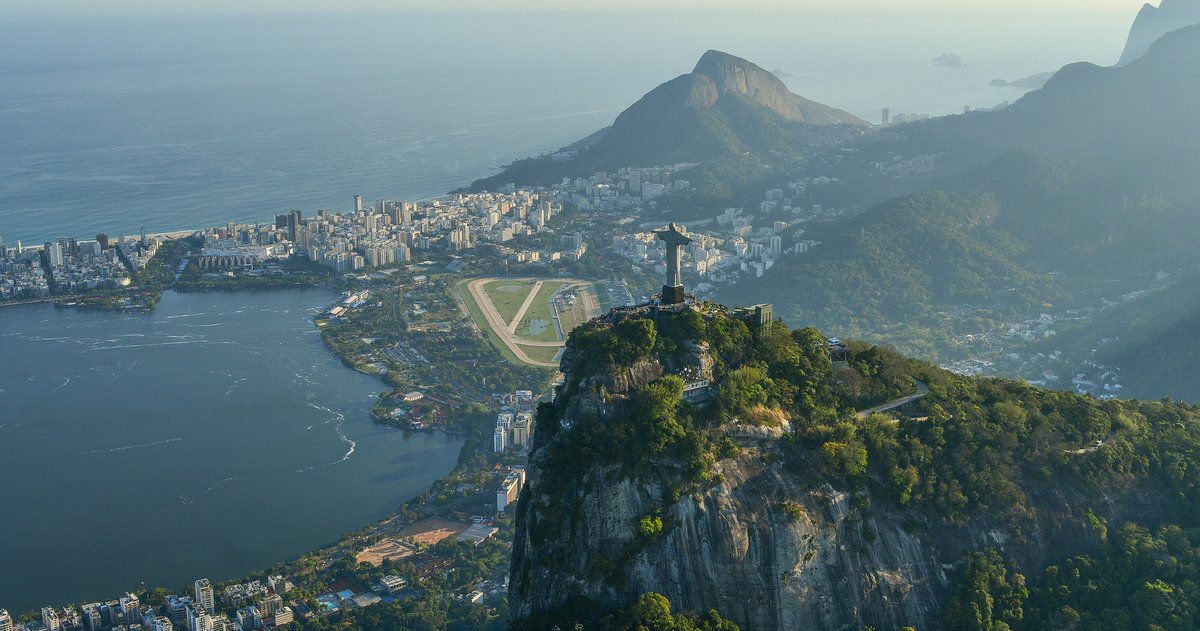
Rio de Janeiro sets the stage for a major climate moment in 2025 with the launch of Rio Climate Action Week (RCAW), a new event created to support Brazil’s COP30 Presidency and developed in partnership with London Climate Action Week.
The week-long programme is built to focus on practical energy transition, sustainable systems and inclusive solutions.
It draws heavily from London’s model, first introduced in 2019 and now reflected in similar events held in cities like Auckland, Baku, Bangkok, Dublin, Prague, Shanghai and Sydney.
The Brazilian concept of mutirão, meaning collective effort, shapes RCAW’s purpose.
This call for collaboration is designed to match the scale of the climate and energy transition challenge and it comes at a time when international policy is under pressure to deliver real-world results.
With Brazil preparing to host COP30 in Belém this November, RCAW’s message is one of urgency and action.
RCAW plans to be a recurring, multi-year initiative. Its programme directly supports the six themes of the COP30 Action Agenda, which include energy, transport and industry transition.
The model is built around city-wide hubs, open forums, exhibitions and debates, ensuring broad engagement across sectors.
From local community groups to multinational institutions, participation is encouraged at every level.
“With Brazil already at the center of global attention as the host of COP30, RCAW underscores the region’s relevance in shaping solutions with international impact,” writes Natalia Oliveira, Regional Lead — LatAm, Government Affairs, Policy & Advocacy, Renewables, Energy Transition at Global Renewables Alliance (GRA).
The energy transition sits at the heart of RCAW’s focus. Moving away from fossil fuels towards renewable energy systems is front and centre, alongside efforts to reform industry and transport.
These are essential to meet any meaningful climate goal.
“Energy poverty is a challenge that demands action! During Rio Climate Action Week (RCAW), we will debate this topic and show some solutions that have already been developed and that deserve to be replicated!” says Roberta Cox, COP30 Director at GRA and Brazil Policy Director at Global Wind Energy Council.
Other agenda themes include forest and ocean stewardship, food system reform, infrastructure resilience, equitable development and capacity-building.
But the energy transition provides the backbone, both for practical measures and financing strategies.
The cost of climate transition remains a critical issue.
RCAW uses its platform to highlight the growing gap between national climate plans and the capital needed to fund them.
According to its own figures, around US$8tn a year is required globally to finance the transition, rising to US$10tn annually after 2030.
Addressing this disconnect is a priority for both Brazil’s presidency and RCAW’s wider agenda.
The initiative aims to bring new ideas forward by bringing together financial institutions, investors and public stakeholders.
It seeks to create new mechanisms that support inclusive and resilient energy infrastructure.
“Together with the Climate High-Level Champions, we are leading the RCAW Thematic Hub on Risk, Resilience & Insurance, bringing the insurance perspective to the centre of the climate agenda,” writes Andoni Hernández Bengoa, Executive Chairman Brazil & LATAM Regional Counsel at Howden, on LinkedIn.
This financial angle is also about building long-term local capacity.
RCAW is positioned to encourage alliances between Rio-based actors and international networks and to develop a permanent ‘climate cluster’ in the city.
This cluster would combine government, business and non-profit efforts to accelerate the delivery of net zero targets.
RCAW places strong emphasis on achieving net zero through inclusive energy transition.
By connecting city institutions with climate leaders across Brazil and beyond, the initiative supports deeper decarbonisation across all levels of society.
This includes working with international Brazilian communities and other climate action cities to expand policy engagement.
The approach is intentionally decentralised. RCAW doesn’t aim to be a top-down event but instead serves as a launchpad for ‘whole-of-society’ climate action.
From energy and finance to housing and infrastructure, the goal is to embed climate resilience into every urban system.
The focus on cities as key actors reflects a wider trend in climate diplomacy, which Brazil has helped shape since the 1992 Rio Earth Summit.
That legacy is not just about global agreements.
It’s about maintaining the space for evidence-based, solutions-driven debate and avoiding any platform that weakens commitment to the Paris Agreement.
RCAW continues that role in 2025, not as a showcase but as a practical engine for climate collaboration.
The aim is to show that local actors can lead the way, not just in setting ambition but in delivering it.
With COP30 on the horizon, RCAW becomes part of a broader effort to keep the world on course and to deliver effective climate strategies grounded in energy transformation.
Energy Magazine connects the leading energy executives of the world's largest brands. Our platform serves as a digital hub for connecting industry leaders, covering a wide range of services including media and advertising, events, research reports, demand generation, information, and data services. With our comprehensive approach, we strive to provide timely and valuable insights into best practices, fostering innovation and collaboration within the energy community. Join us today to shape the future for generations to come.
Rio Climate Week Targets Energy, Finance and Net Zero Goals – Energy Digital Magazine