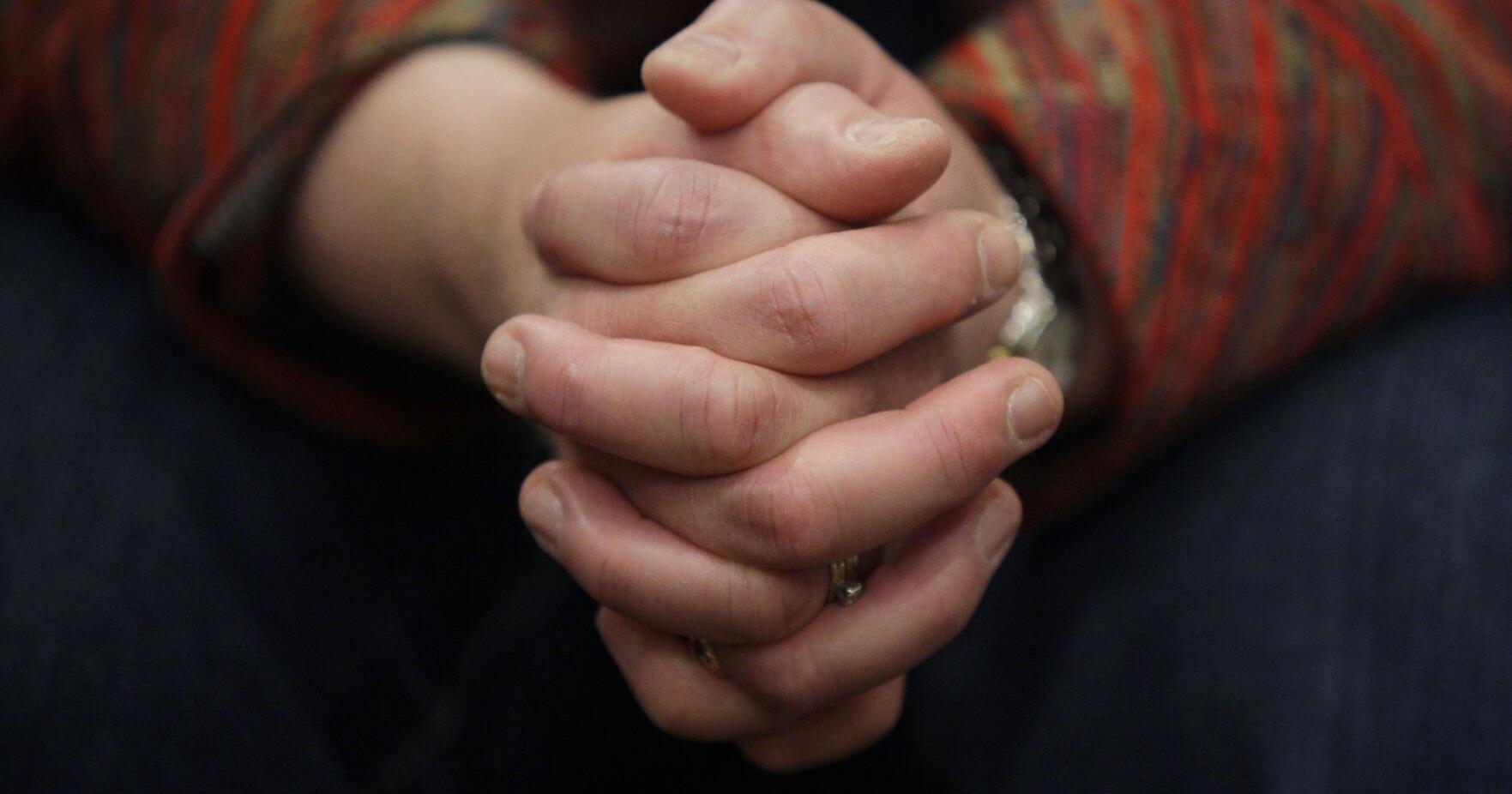
According to data from the Pew Research Center, these slides show the religious makeup of the population of Montana.
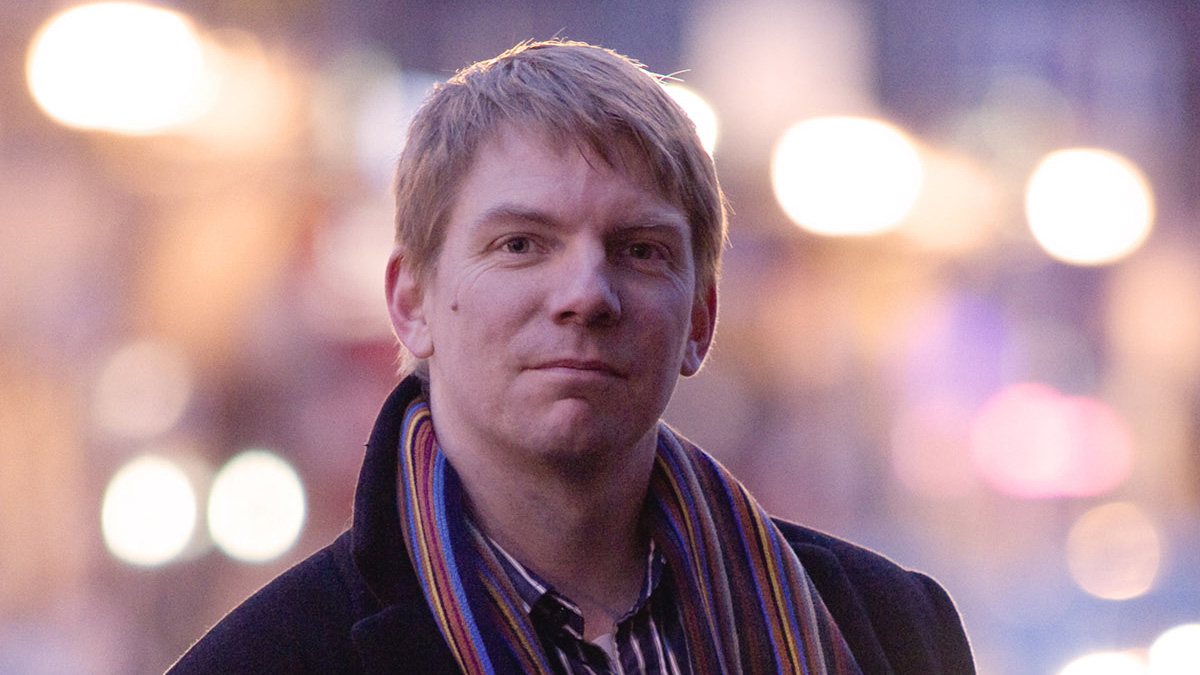
The Rev. Iain Boyd
As a hospice chaplain, I get to field many of the questions people have at the end of life. I have been surprised to find that the most common question I get is not “what happens after I die?” but “how do I do this?” I don’t know why, but I have found this question to be very common among the terminally ill.
You may not think of it this way, but dying is a skill. It is also a skill I haven’t had the opportunity to develop personally, so I am always humbled by this question. Death is also intensely personal. There is no universal answer to that question. Each of us has to walk that road in our own way. How does one develop this skill then?
The English Book of Common Prayer closes the funeral service with the words “in the midst of life we are in death…” Perhaps here we find the key to this skill of dying. In other words, maybe dying well is not very different from living well. In fact, this is how I often try to rephrase this question. Instead of asking “How do I die?” we can ask “How do I want to live the rest of my life? What does it look like to continue to live well as I lose more and more of my life?” Posed that way, dying can have an amazingly clarifying effect on our life. We live much of our lives around our hopes and fears of what is, in reality, an uncertain future. Death allows us to hold on to the present moment without it being muddied by what we think the future will hold. “In the midst of life, we are in death,” might also be put “In the midst of death, we are in life.”
We see in the life of Jesus an amazing example of death in the midst of life. In John chapter 14, Jesus is preparing His disciples for His own imminent death. He tells them, “Let not your hearts be troubled. Believe in God; believe also in me. In my Father’s house are many rooms. If it were not so, would I have told you that I go to prepare a place for you? And if I go and prepare a place for you, I will come again and will take you to myself, that where I am you may be also.” These words, often read at death beds and at the funeral services, are full of comfort.
The experience of death is a mystery. We often say, “No one’s ever come back to say what it’s like.” The Christian faith holds one essential exception to this truism, the Resurrection of Jesus. Still, after His return from the grave, Jesus tells us very little about the experience of death. Rather than tell us what it’s like, He gives us promises and tells us to trust Him. “You don’t have to be afraid of going that way, because I’m getting it ready for you.” But there’s more to it than that. Jesus is actually using a cultural reference that His original hearers would all have recognized. In Ancient Israel, if a man wanted to marry a woman, he had to follow a strict set of protocols involving negotiations between the two families. Once the negotiations were settled, the bridegroom would return to his father’s house and begin construction on a new room for he and his bride. Once that construction was finished, the marriage celebration began. The bridegroom would begin celebrating with the bridal party as they traveled back to the bride’s home. Once there, they would celebrate all the way back to their new home to begin their new life together. This is what Jesus is referencing when He says “I go there to prepare a place for you.” He’s saying, “I know it will look like I’m gone for good, but don’t be fooled. I’m just getting things ready for us to be together forever. In the meantime, don’t forget that I’m coming back for you.”
In his book, Jesus the King, the late Reverend Timothy Keller writes of how having hope for a life after death can change our life now. He says, “If you know that this is not the only world, the only body, the only life you are ever going to have—that you will some day have a perfect life, a real, concrete life—who cares what people do to you? You’re free from ultimate anxieties in this life so you can be brave and take risks… The Resurrection means we can look forward with hope to the day our suffering will be gone. But it even means that we can look forward with hope to the day our suffering will be glorious.” Death is a mystery, but it is not one we need to shy away from. Rather, if we look it in the face with confidence that it is not the end, but a glorious beginning, death can help us to live our lives to the fullest even now.
Iain Boyd is the chaplain for hospice at St Peter’s health as well as an associate pastor at Headwaters Covenant Church.
Receive the latest in local entertainment news in your inbox weekly!
According to data from the Pew Research Center, these slides show the religious makeup of the population of Montana.
The Rev. Iain Boyd
Get up-to-the-minute news sent straight to your device.
Sorry, an error occurred.
Already Subscribed!
Cancel anytime
Account processing issue – the email address may already exist
Sign up with
Thank you .
Your account has been registered, and you are now logged in.
Check your email for details.
Invalid password or account does not exist
Sign in with
Submitting this form below will send a message to your email with a link to change your password.
An email message containing instructions on how to reset your password has been sent to the email address listed on your account.
No promotional rates found.
Secure & Encrypted
Secure transaction. Secure transaction. Cancel anytime.
Thank you.
Your gift purchase was successful! Your purchase was successful, and you are now logged in.
A receipt was sent to your email.