Updates to our Terms of Use
We are updating our Terms of Use. Please carefully review the updated Terms before proceeding to our website.
Wednesday, April 23, 2025
The dismissed class action named several celebrities as defendants, including Justin Bieber, Paris Hilton, Madonna, Serena Williams and Steph Curry.
LOS ANGELES (CN) — A federal judge Wednesday dismissed a class action filed by collectors of nonfungible tokens and cryptocurrency who claim that Yuga Labs, the company that created the Bored Ape Yacht Club NFT, colluded with celebrities to artificially inflate prices of its products.
U.S. District Judge Fernando Olguin, a Barack Obama appointee, found that the plaintiffs failed to show that the digital assets created by Yuga Labs, including the Bored Ape Yacht Club NFT collection and cryptocurrency ApeCoin, were securities.
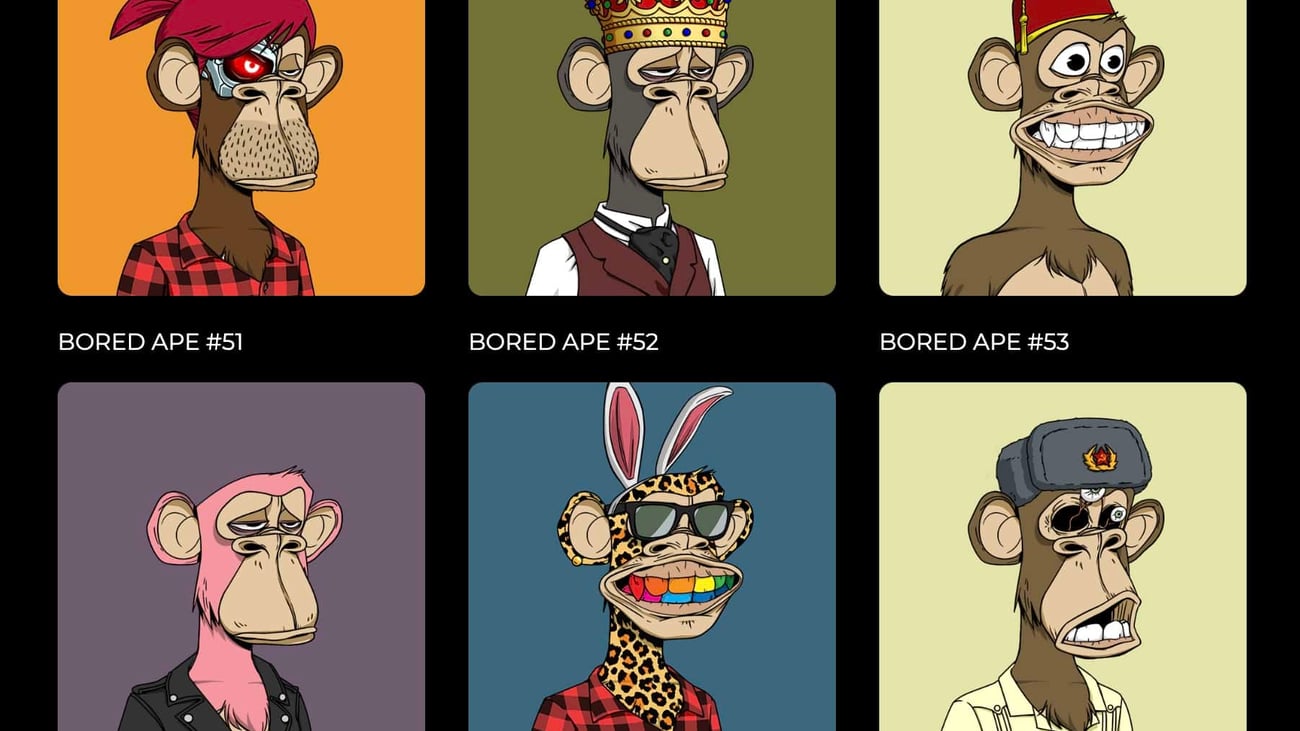
The Bored Ape collection was one of the most successful NFT collections and was endorsed by a slew of celebrities, including Justin Bieber, Paris Hilton and Madonna. Nonfungible tokens shot to popularity on the back of cryptocurrencies by using a similar blockchain technology to create a unique digital file for an image that can be held as an investment or sold on secondary marketplaces.
Plaintiffs Adonis Real and Adam Titcher, investors who purchased NFTs or cryptocurrency from Yuga Labs, filed a class action lawsuit in 2022, claiming that the digital assets are unregistered securities. They accused Yuga Labs of colluding with Hollywood talent agent Guy Oseary and MoonPay, a platform used to buy and sell cryptocurrency, to misleadingly promote and sell the financial products.
The plaintiffs named several celebrities as defendants, including Justin Bieber, Paris Hilton, Madonna, Serena Williams and Steph Curry, arguing that they violated federal and state securities law when they promoted the financial products.
“While the promoter defendants publicly touted their high-dollar ‘purchases’ of BAYC NFTs, the truth is that they were given the NFTs for free (often along with additional compensation) in exchange for promoting the BAYC NFTs to an unsuspecting public,” the plaintiffs said in their second complaint.
The defendants argued that the securities-related claims should be dismissed because none of their digital assets qualify as a “security.”
In his order, Olguin found that the plaintiffs failed the three-part test that requires securities to be an investment of money, in a common enterprise with an expectation of profits produced by the efforts of others.
However, he sided with the plaintiffs on the question of whether the profits would come from the efforts of others.
“In short, despite satisfying this sub-prong, the plaintiffs have failed to satisfy the other Howey prongs and therefore fail to allege that any, some, or all of defendants’ digital assets are a security,” the judge said.
Olguin gave the plaintiffs until Oct. 10 to file a third amended complaint.
Representatives for the defense declined to comment.
Representatives for the plaintiffs did not immediately respond to a request for comment.
Sign up for new weekly newsletter Closing Arguments to get the latest about ongoing trials, major litigation and hot cases and rulings in courthouses around the U.S. and the world.
Celebrities off the hook for promoting Bored Ape NFT – Courthouse News Service