Universal and Warner are said to be pushing AI startups to develop an attribution system that can track when an artists’ music is used.
Jamie Wilde
Guest Contributor to The Daily Upside
Prepare your ears for more AI Drake beats, because the music industry is embracing the uncanny valley that is AI-generated tunes.
Universal Music and Warner Music are nearing AI licensing deals, according to a report by the Financial Times. The labels are reportedly in talks with AI startups including ElevenLabs, Stability AI, Suno, Udio, and Klay Vision, as well as Spotify and Google.
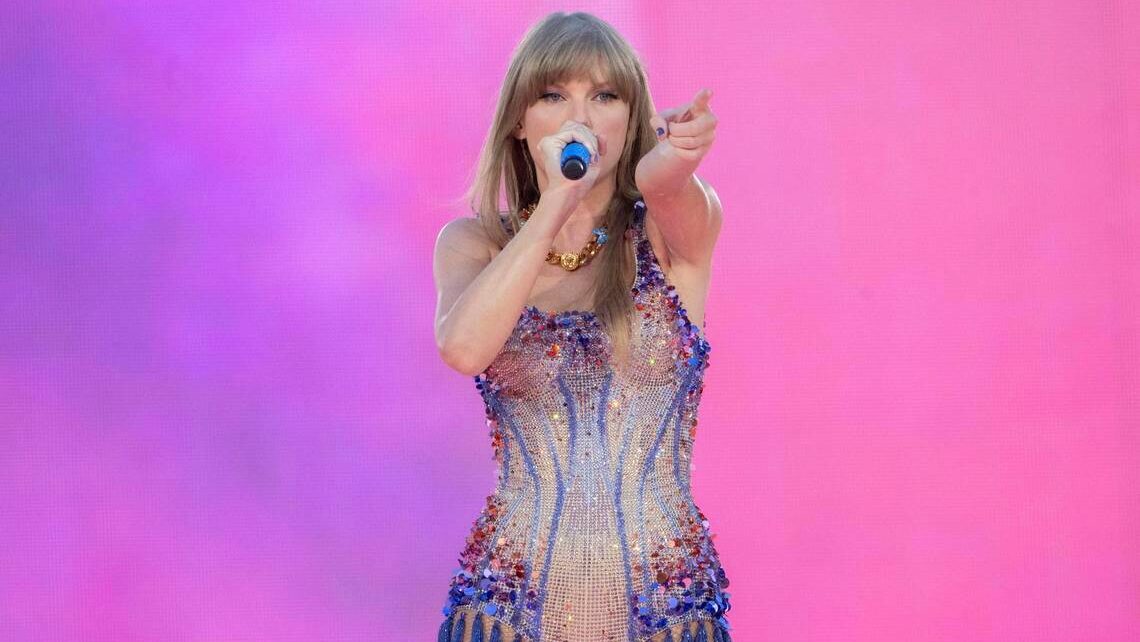
The deals would allow tunes from the labels’ massive libraries (Taylor Swift, Charli XCX, Ariana Grande and many more) to be fed into the AI companies’ large language learning models, influencing the music the generators create. Universal and Warner are reportedly pushing startups to develop an attribution system that can track when an artist’s music is used, prompting a micropayment each time a song using that music is played.
It may not be so simple.
Spotify said it wiped 75 million AI-generated tracks from its platform last year, while French streamer Deezer said last fall that nearly a third of all its track uploads were created using AI. The music industry doesn’t want to miss out on that moolah:
The Next Napster: Labels may have a hard time becoming besties with AI overnight, with executives telling the Financial Times that deals between the two will be trickier than in streaming, a.k.a. the last major tech advance that upended the music industry. AI models are trained on tens of millions of music files, and it’s not always clear exactly which sources generators draw from when they create something new. Deals in other creative industries have involved one-time lump sums: For instance, HarperCollins charges $5,000 per book used to train AI.
The gaming industry boomed during the pandemic, but its rapid growth didn’t continue once consumers could go outside and touch grass.
Lame duck Disney CEO Bob Iger will likely have his hands full with pressure from regulators and investors in his remaining days on the job.
Ultimately, the quantum computing stack proved 34% better at predicting the likelihood a trade would be filled.
Tying its various advertising tech services together has allowed Google to snare roughly 20% of each dollar that moves through its platforms.
Ultimately, the new fee will apply to H-1Bs when they are first granted, and not to existing visas or any future renewals.
And yet, last week, Tesla scored a couple key brownie points from Wall Street analysts. So why the optimism?
Lachlan Murdoch’s moves so far are clearly those of someone who came of age during an era of rapidly advancing digitization.
Unfortunately for Intel, the deal does not provide a direct lifeline to its floundering chipmaking foundry business.
Meta will likely soon face competition from Amazon, Alphabet, Snap and other tech firms with augmented-reality glasses in development.
Quantum computers are expected to solve previously unsolvable problems (or ones that would take ages) across industries.
In a note last week, JPMorgan’s Andrew Tyler wrote that macro conditions could turn a widely-expected rate cut into a “sell the news” event.
© 2025 The Daily Upside
Unchained Melodies? Recording Giants Finetune Deals for Sharing Music Libraries With AI – The Daily Upside