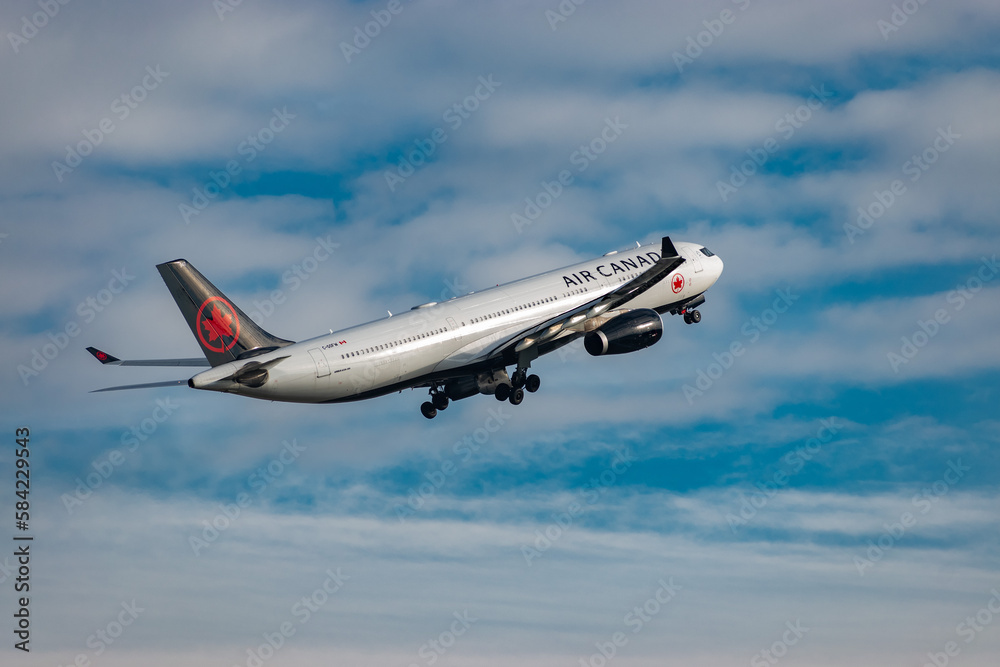
The ruling exposes common employer errors in handling religious accommodation requests
Seven Air Canada pilots denied religious exemptions from the airline's mandatory COVID-19 vaccination policy have won back pay, after arbitrator James Hayes ruled on March 3, 2026, that Air Canada violated the Canadian Human Rights Act. The ruling has direct implications for employers that used similar religious accommodation processes during the pandemic.
In 2021, Air Canada directed employees seeking exemptions to provide "a personalized, written, and dated explanation from your religious leader explaining the religious reasons why you are unable to be vaccinated against Covid-19." Pilots denied exemptions were placed on unpaid leave as of October 31, 2021, while those granted exemptions were placed on paid leave pending employer consideration of possible accommodation.
The seven pilots, all of whom saw themselves as committed Christians, grounded their objections in Scripture, conscience, fetal cell lines in vaccine development, and the belief that the body is a temple of the Holy Spirit. Air Canada denied all seven at the outset.
The company's accommodation framework required both the existence of a sincere religious belief and a clear nexus between that belief and the inability to be vaccinated. Denial grounds included requests "based on scientifically unsound facts such as the fear that COVID-19 vaccines may alter DNA."
Hayes found ALPA was "not wrong in questioning" the religious leader letter requirement, affirming that "acceptance of an individual affirmation of religious belief is not dependent upon production of endorsement from someone else," while noting that supporting material would not be irrelevant. Assessing objections through the lens of scientific validity rather than sincerity of belief was also found to be an error.
ALPA argued, and Hayes agreed, that Air Canada denied requests without first seeking clarification, then relied on missing information to justify those denials. On pilots who raised both religious and secular concerns, Hayes ruled that "this central objection may not be impaired, undermined or displaced because that religious objection was said to be supported by, or included, other concerns which, standing alone, might be seen as secular-only."
Hayes found that had Air Canada focused on the applicable legal standard of subjective religious belief, it "should have allowed their requests for religious exemption from the start."
Air Canada granted exemptions to all seven on May 9, 2022, placing them on unpaid leave with benefits. The pilots had lost income from October 31, 2021, through May 9, 2022, while their exempted colleagues had been on paid leave.
Hayes ruled all seven had established a prima facie case of workplace religious discrimination under the collective agreement and the Canadian Human Rights Act, finding the pilots "should have been placed on initial paid leaves of absence, as had been their pilot colleagues granted exemptions at the outset." Air Canada was directed to compensate all seven within 60 days, with Hayes remaining seized in the unlikely event that calculation of damages becomes an issue.
Hayes was unambiguous on credibility: "All of the grievors testified honestly and the substantive nexus between their religious beliefs and objections to the employer mandatory vaccination policy was manifest." The duty to accommodate aspect of the grievances remains outstanding and will continue in due course on request.
See Air Canada v Air Line Pilots’ Association, 2026 CanLII 16803
Air Canada ordered to pay pilots after religious vaccine exemption denials – hcamag.com